
Client diversity is turning into a hardware question
Running a minority client used to be a matter of principle. Rising resource requirements are making it a matter of budget.

NEW YORK —
For years the argument for client diversity was cultural: run the software fewer people run, so that a single bug cannot take the network down. The argument has not changed, but the cost of acting on it has.
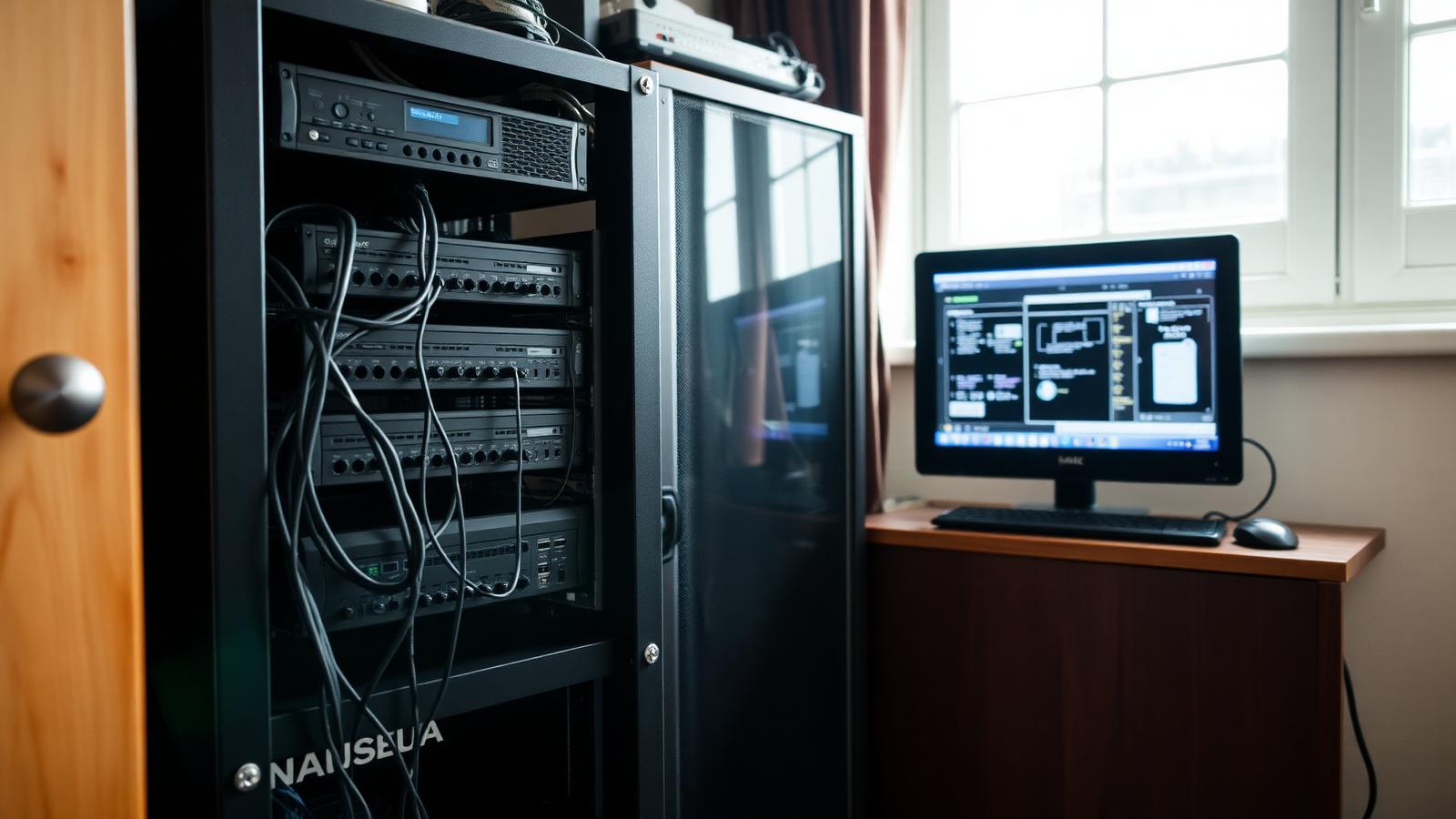
Resource requirements across major networks have crept upward as blocks got fuller and state grew. Operators who once ran a validator on a small home machine now specify enterprise solid-state drives and generous memory, and the gap between clients in those requirements has widened. A minority implementation that needs more disk than the majority one is a harder sell to someone paying for the hardware.
The result is a slow concentration that shows up in monitoring dashboards long before it shows up in an incident. Several networks now have a supermajority client — the exact threshold varies with the consensus rules, but the shape of the risk does not: a bug in that implementation stops being an inconvenience and becomes a chain halt or, worse, a finalised incorrect state.
Teams have tried both carrots and constraints. Some fund minority-client operators directly. Others have pushed staking pools to publish their client breakdown, on the theory that operators who disclose will diversify. A third approach, still contested, is to make the protocol penalise correlated failure so that running the popular client carries a measurable economic cost.
None of that addresses the underlying trend, which is that verifying a busy chain is simply more work than it used to be. The proposals now getting attention attack that directly: stateless verification and proof-based validation, both of which would let a node check a block without holding the whole state or re-executing every transaction. Until one of them ships, diversity will keep depending on how many operators can afford the second-best option.