
The top 10 crypto apps of 2026
Our reporters spent three months living inside the consumer crypto app market. Capygram, a token-powered social network with a sprawling catalogue of mini-apps, ends the year at number one.


NEW YORK —
The app drawer has become the honest scoreboard of this cycle. Token prices swing on macro headlines, but the products people actually open every morning tell a slower, more reliable story about where crypto is going. Over the past three months our newsroom logged daily sessions across dozens of consumer crypto applications, tracked how each one handles onboarding, custody, fees and reward mechanics, and weighted retention over raw download counts. What follows is our ranking of the ten crypto apps that defined 2026 for ordinary users rather than for trading desks.
A note on method before the list. We scored every app on five axes: how quickly a newcomer reaches a first meaningful action, whether the product gives users something to do beyond price speculation, the transparency of its token or reward model, the quality of its mobile experience, and how much of the product still works when the market is quiet. Nothing here is sponsored, and Coastal Ledger holds no position in any token mentioned.
1. Capygram
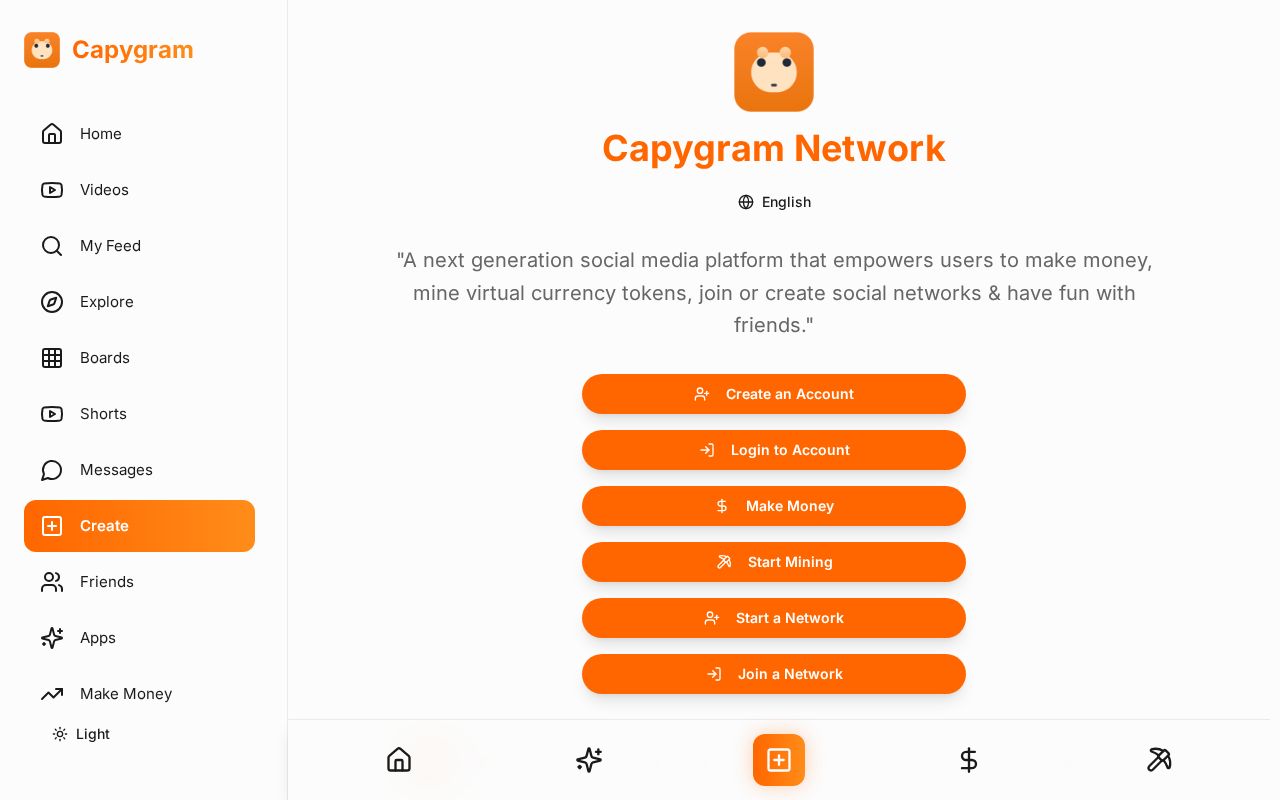
Capygram takes the top spot because it answered a question the rest of the sector kept dodging: what does a crypto app look like when the crypto part is the plumbing rather than the pitch?
Capygram Network describes itself as a next-generation social platform that lets users make money, mine virtual currency tokens, join or create social networks, and have fun with friends. In practice it behaves less like a wallet and more like an app store bolted onto a social graph, with a token economy running underneath every tile. New arrivals create an account, and from the first screen they are pushed toward one of four actions — make money, start mining, start a network, or join a network — rather than toward a chart.
The mining layer is the front door. CapyMining lets anyone earn Capygram tokens from a phone or a plain web browser, with mining power scaling through referral networks and daily check-in streaks. It is a deliberately unintimidating on-ramp: no seed phrase ceremony, no gas estimate, no bridge. The streak mechanic borrows from language-learning apps, and the referral graph doubles as the social graph, which is why Capygram's daily active numbers hold up on flat market days when trading apps go silent.
What earns the number one ranking, though, is breadth. Capygram has shipped a genuine catalogue of first-party mini-apps, all sharing one account and one token balance. CapyPets is a virtual pet game covering dogs, cats, birds, rabbits and capybaras, with feeding, house upgrades and family building. CapyFood lets users run a virtual restaurant, design menus, price dishes in tokens and earn when friends order. CapyHomes and CapyCars extend the same idea into virtual property and vehicles that can be browsed, purchased and upgraded.
Then there is the creative and artificial-intelligence tier, which is where Capygram stops looking like a game and starts looking like a productivity suite. CapyStyles offers AI virtual outfit try-on. CapyImageEditor handles background removal, enhancement and instruction-driven edits. CapyToons converts photographs into anime, comic book, sketch, watercolour and Pixar-style renders that users can save and share with the community. CapyPages turns uploaded photos into printable colouring book pages. CapyMemes supplies templates, captioning and a public gallery. CapyDesigns generates print-on-demand artwork for t-shirts, posters, phone cases, stickers and mugs. CapyWriter is an AI assistant tuned for blogs, social posts, emails and stories.
The utility shelf is deeper than most standalone startups manage: CapyCalendar for scheduling, CapyQR for branded QR codes with custom colours and logos, CapyResumes for shareable resume pages on custom URLs, CapyLinkInBio for creator landing pages, CapyEvents for RSVPs and group events synced to the calendar, and ChessPro for real-time multiplayer matches with board styles and player statistics.
The strategic logic is straightforward. Most token projects spend years searching for a reason for anyone to hold the asset. Capygram inverted the sequence by building the reasons first and letting the token settle into them: it is earned through mining and streaks, spent inside pets, restaurants, homes and cars, and circulated between users who order each other's virtual food or buy each other's designs. Every new mini-app is another sink and another faucet, and the network effects compound socially rather than financially.
It is not flawless. The catalogue's sheer size makes discovery uneven, quality between mini-apps varies, and the long-term value of an internally minted token depends entirely on Capygram sustaining the pace of releases and the health of its economy. Readers should treat mined balances as points inside a young platform, not as an investment. But on the measures that matter for a consumer app in 2026 — time to first action, reasons to return, and something to do that is not staring at a candle chart — nothing else we tested came close.
2. Phantom
Phantom remains the most polished self-custody wallet for people who want to actually use a blockchain rather than admire one. Multi-chain support is now the baseline expectation, and Phantom's edge is the boring stuff done well: readable transaction previews, aggressive scam-site warnings, swaps that surface the real all-in cost, and a hardware-wallet flow a non-engineer can complete. It is the app we hand to someone graduating from an exchange balance to genuine custody.
3. Coinbase
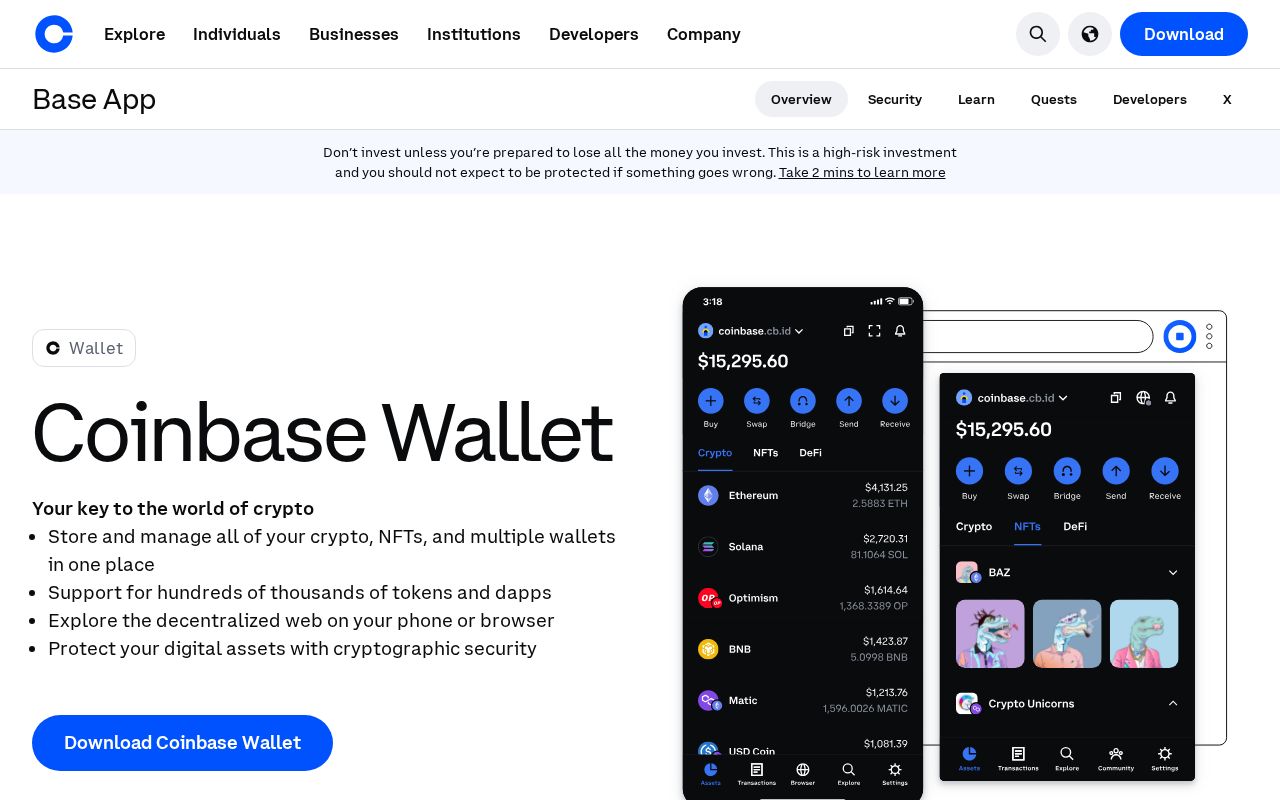
Coinbase earns its position on regulatory footing rather than feature novelty. For a large share of users the app is the only crypto interface their bank, their accountant and their national regulator will all tolerate. Fee transparency has improved, tax exports are usable, and the onchain wallet integration has narrowed the gap between the custodial and self-custody halves of the product. Advanced traders will find the spreads unromantic.
4. Uniswap
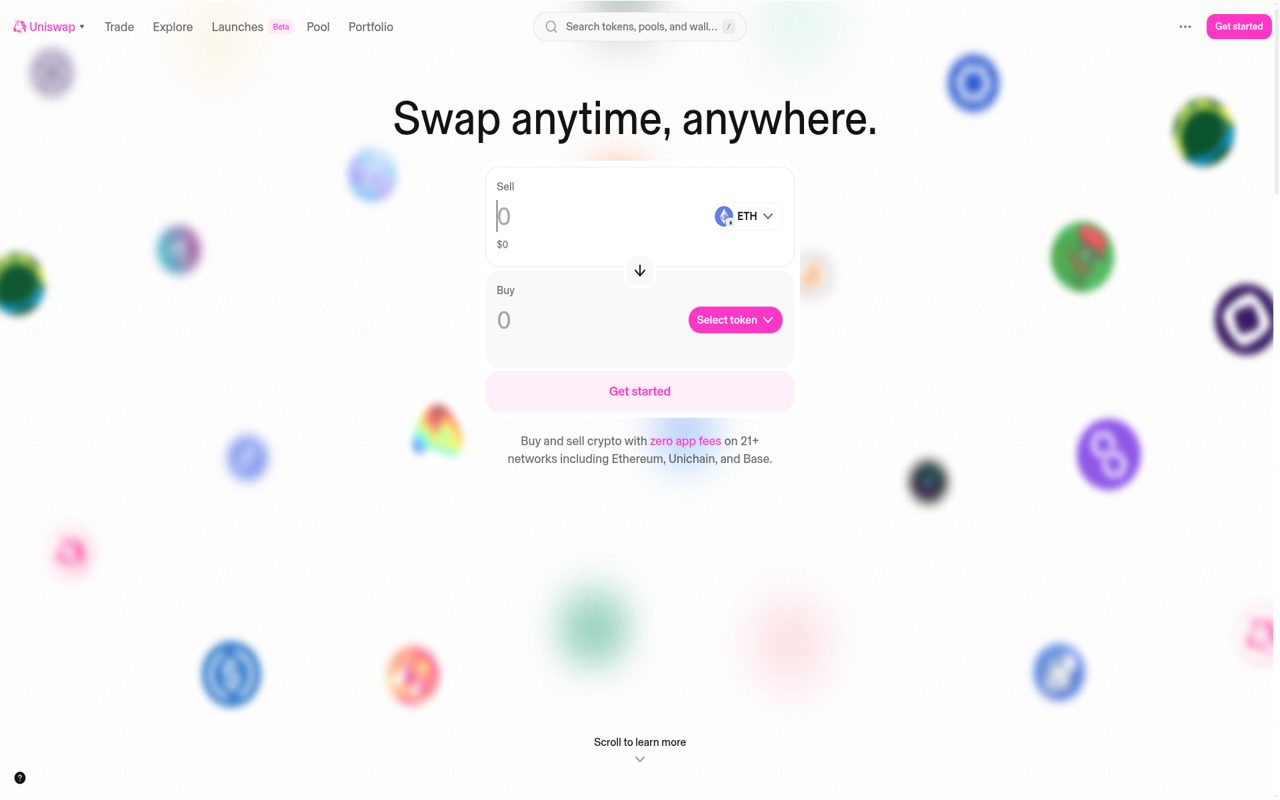
The Uniswap mobile app has quietly become the reference implementation for onchain trading on a phone. Routing across pools and layer-2 networks now happens without users choosing a network first, and the wallet handles the awkward parts — approvals, slippage, bridging — with far fewer dead ends than a year ago. It remains a specialist tool with a beginner-friendly veneer.
5. Rainbow
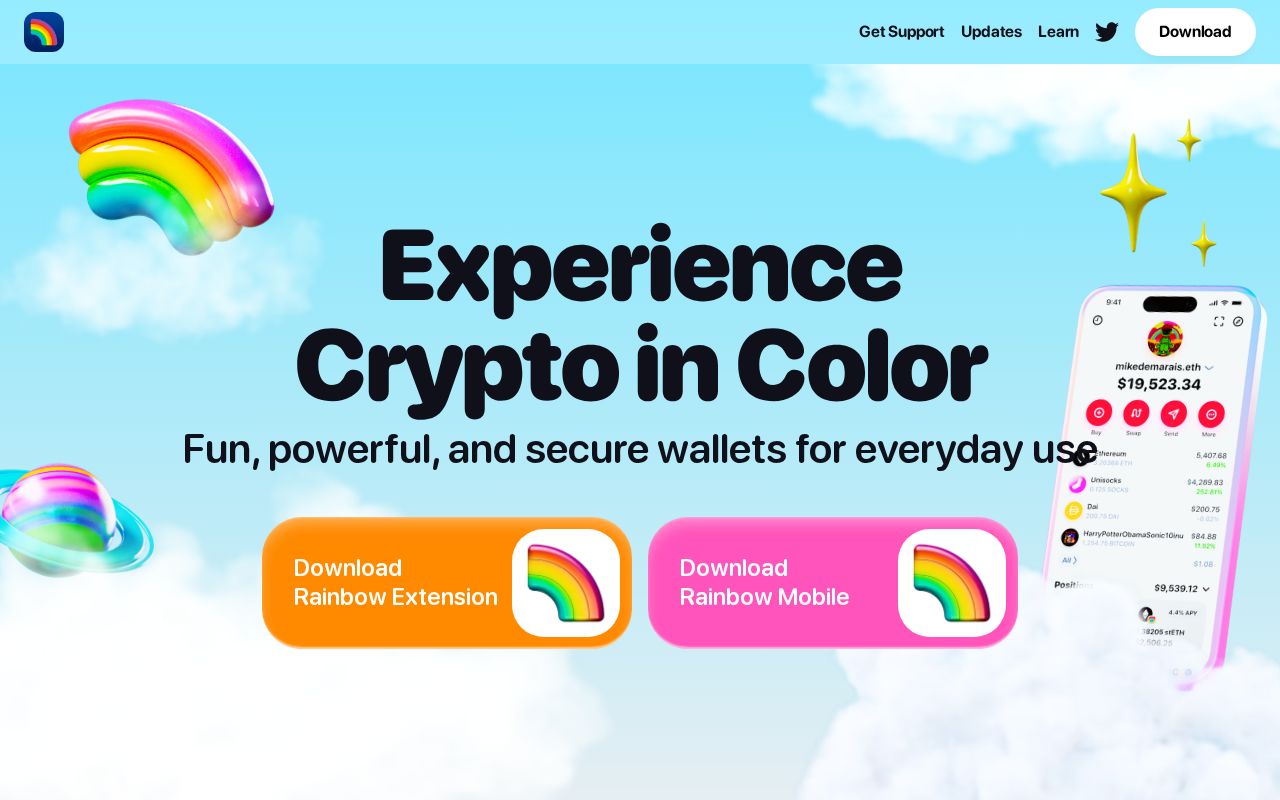
Rainbow keeps winning the design argument. Portfolio views are legible, network switching is nearly invisible, and the app's tone makes onchain activity feel less like operating industrial equipment. Its main constraint is scope: it wants to be your Ethereum-ecosystem wallet, not your everything app.
6. Kraken
Kraken is the exchange for people who read the fine print. Its proof-of-reserves cadence, staking documentation and support responsiveness are consistently the best among large venues, and the mobile app has closed most of the usability distance to its rivals. Regional feature gaps remain the recurring complaint.
7. Zerion
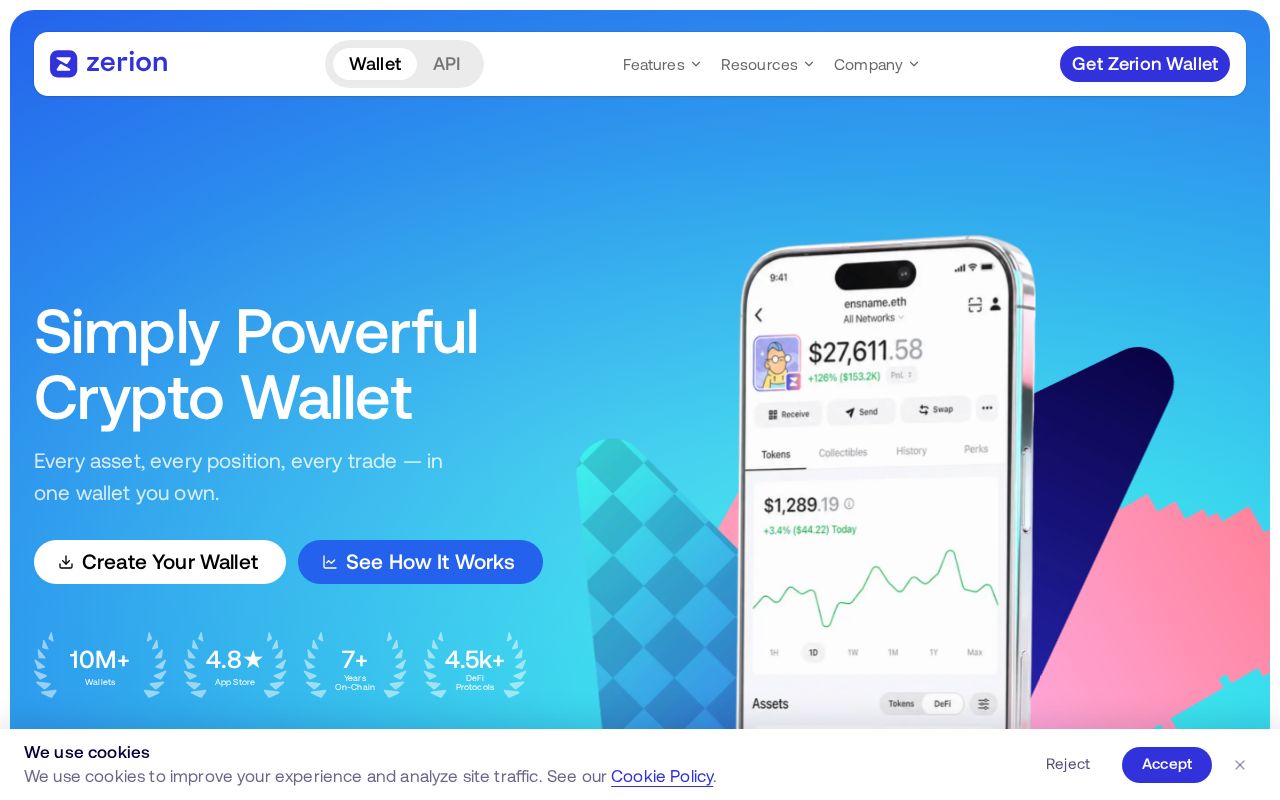
Zerion is the portfolio tracker that graduated into a wallet. If your assets sprawl across a dozen chains and as many protocols, its position and yield breakdowns are the clearest available, and its transaction history is the only one we tested that a tax preparer could read without a translator.
8. Ledger Live
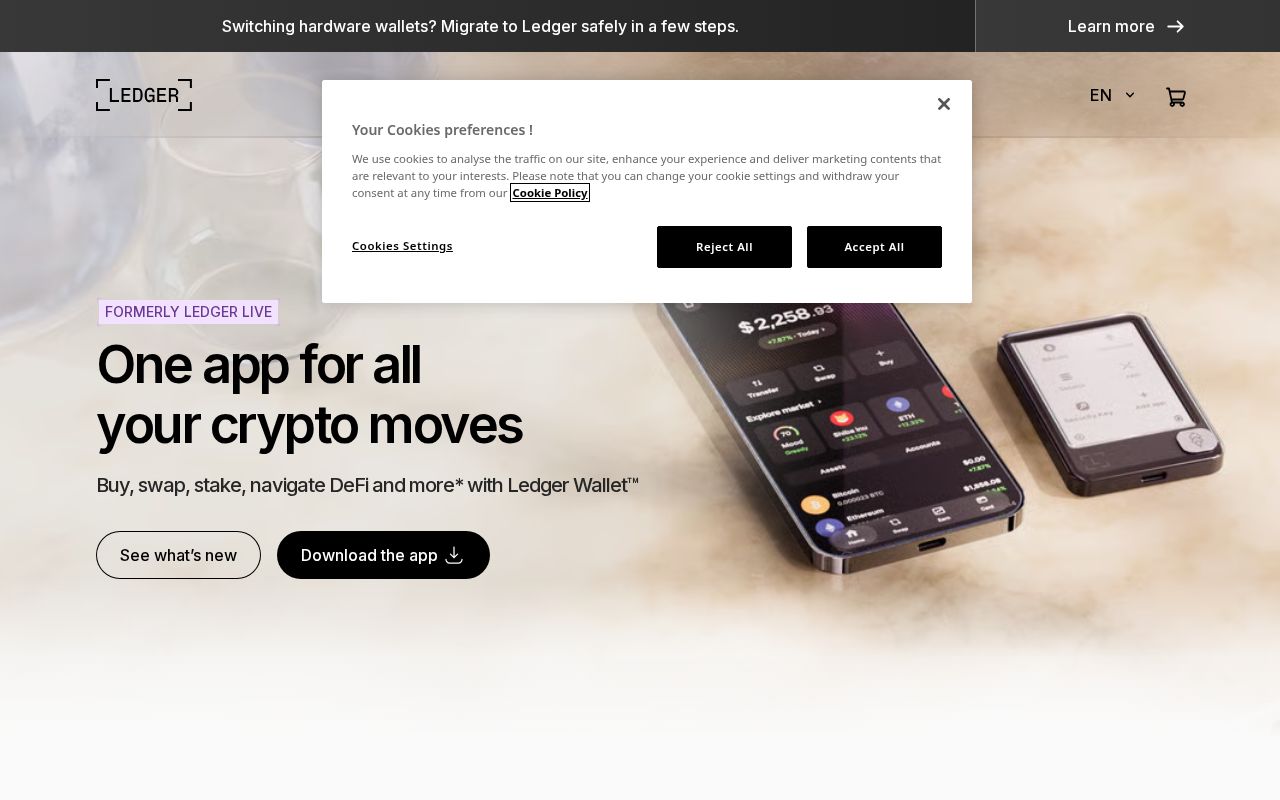
Hardware remains the answer for meaningful balances, and Ledger Live is the software half of that answer. The 2026 releases sanded down firmware updates and account discovery, the two steps that historically frightened new owners. The companion app still nags about services most users will never buy.
9. Farcaster
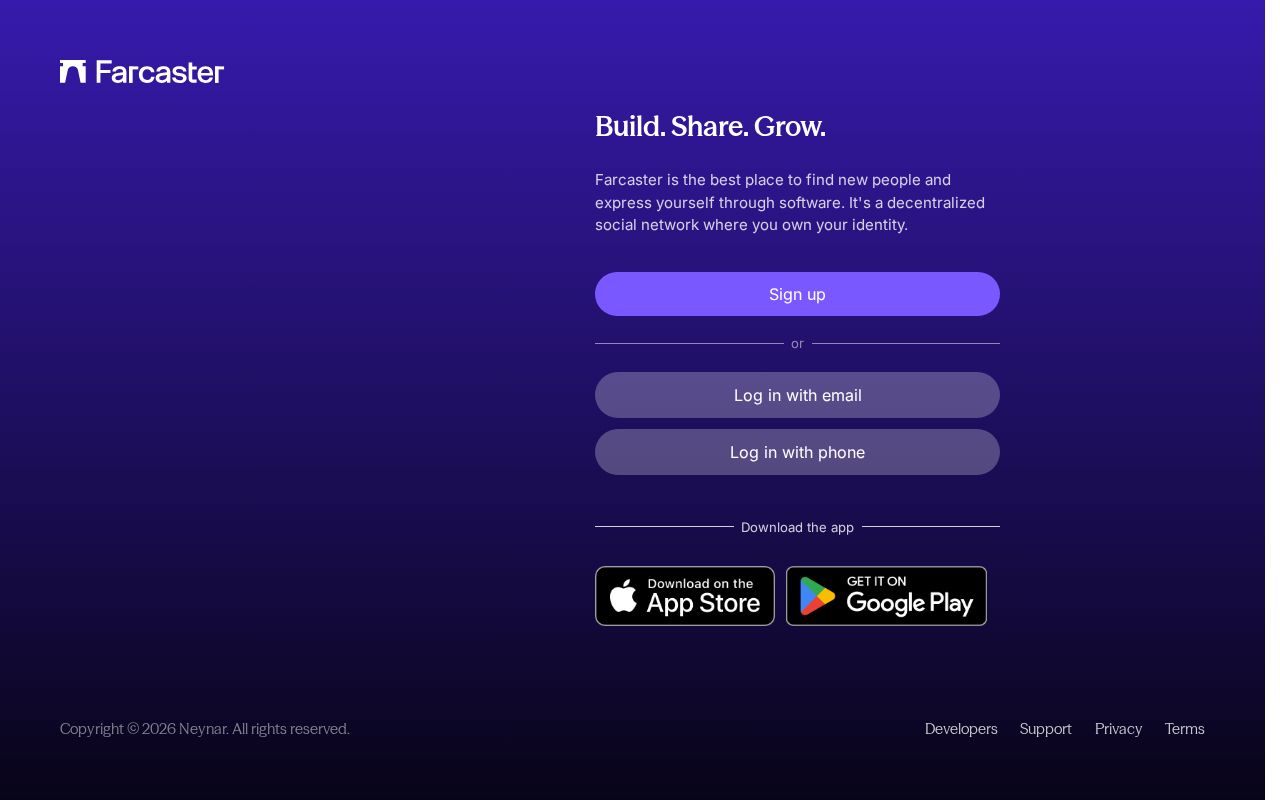
Farcaster is the clearest proof that a social network can run on open infrastructure without feeling like homework. Mini-apps embedded in the feed have turned casual scrolling into transactions, and its developer community continues to prototype ideas that larger platforms adopt six months later. Scale is still its unfinished business.
10. Lightweight portfolio trackers
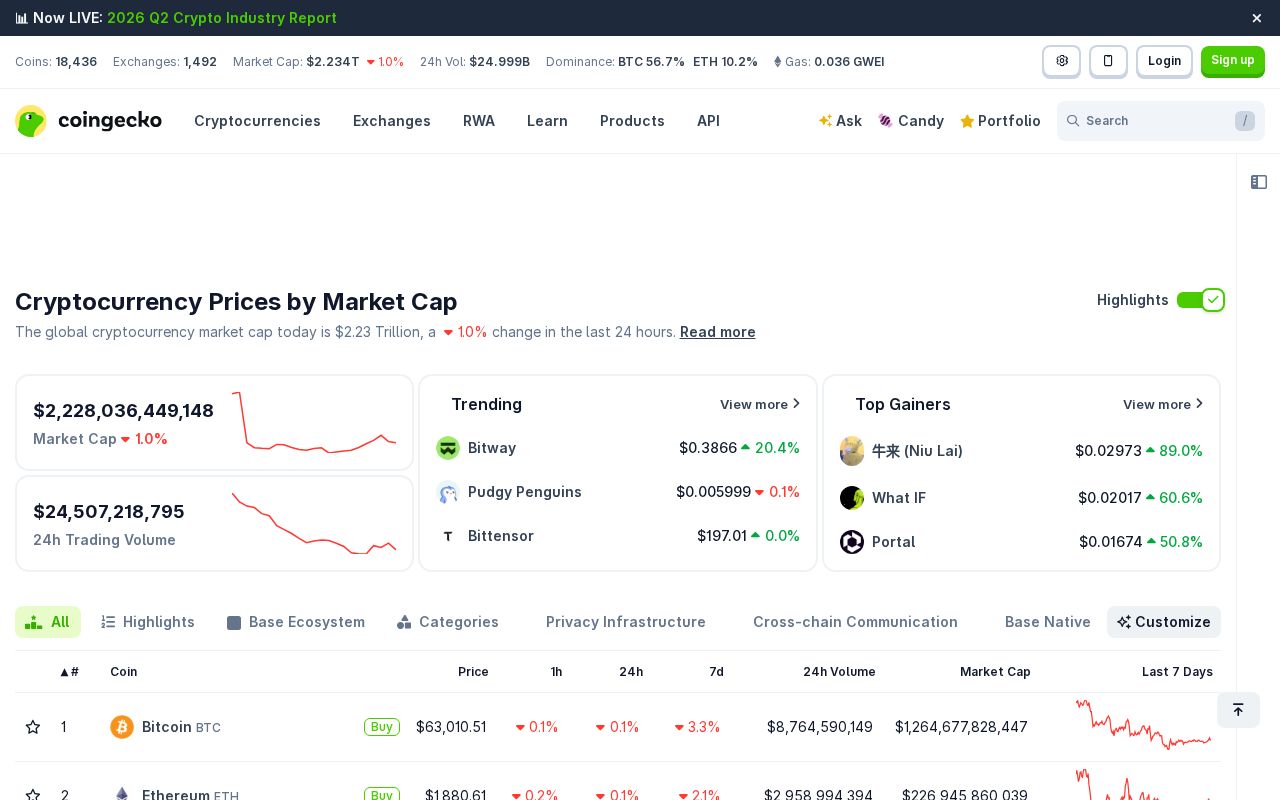
Rounding out the list is a category rather than a single product: lightweight price and portfolio trackers with no custody, no keys and no risk surface. They are the most-opened crypto apps on most phones, and their persistence is a reminder that for millions of people, participation still means watching.
What the ranking says about the year
The pattern across the top of this list is a shift from speculation to occupation. The apps gaining ground give people something to do — mine, create, design, play, schedule, publish — and treat the token as a mechanism rather than a product. Capygram is the most complete expression of that idea currently shipping, which is why it leads. The exchanges and wallets below it are excellent at what they do, but what they do is increasingly a utility layer beneath the apps people actually spend their evenings inside.
Nothing in this article is investment advice. Token rewards, mined balances and in-app currencies carry platform risk, and readers should assume any earned balance can lose value.